Ocean Governance & the Law of Sub-Seabed Storage
Regulatory frameworks for carbon storage within and beyond national jurisdiction, the Common Heritage of Mankind, and adaptive governance for intergenerational risk.
Regulation and Governance of Transport,
Sequestration, and Liability
“So long, and thanks for all the fish.”
Douglas Adams · The Hitchhiker’s Guide to the Galaxy






The urgent need to achieve climate neutrality has placed Carbon Capture and Storage (CCS) at the centre of international climate strategies. While pipelines remain the dominant mode of CO₂ transport, the role of transport by ships is rapidly gaining importance. Ships offer flexibility, scalability, and international reach, enabling captured CO₂ to be transported from emitters around the world to offshore storage reservoirs.
At the same time, significant uncertainties and risks persist. Technical and operational challenges of transporting large quantities of liquefied CO₂, environmental concerns about marine ecosystems, legal uncertainties surrounding cross-border shipments, and liability issues in case of leaks remain open questions. Existing international legal frameworks, such as the London Protocol and the United Nations Convention on the Law of the Sea, provide a starting point, but the regulation of CCS remains fragmented.
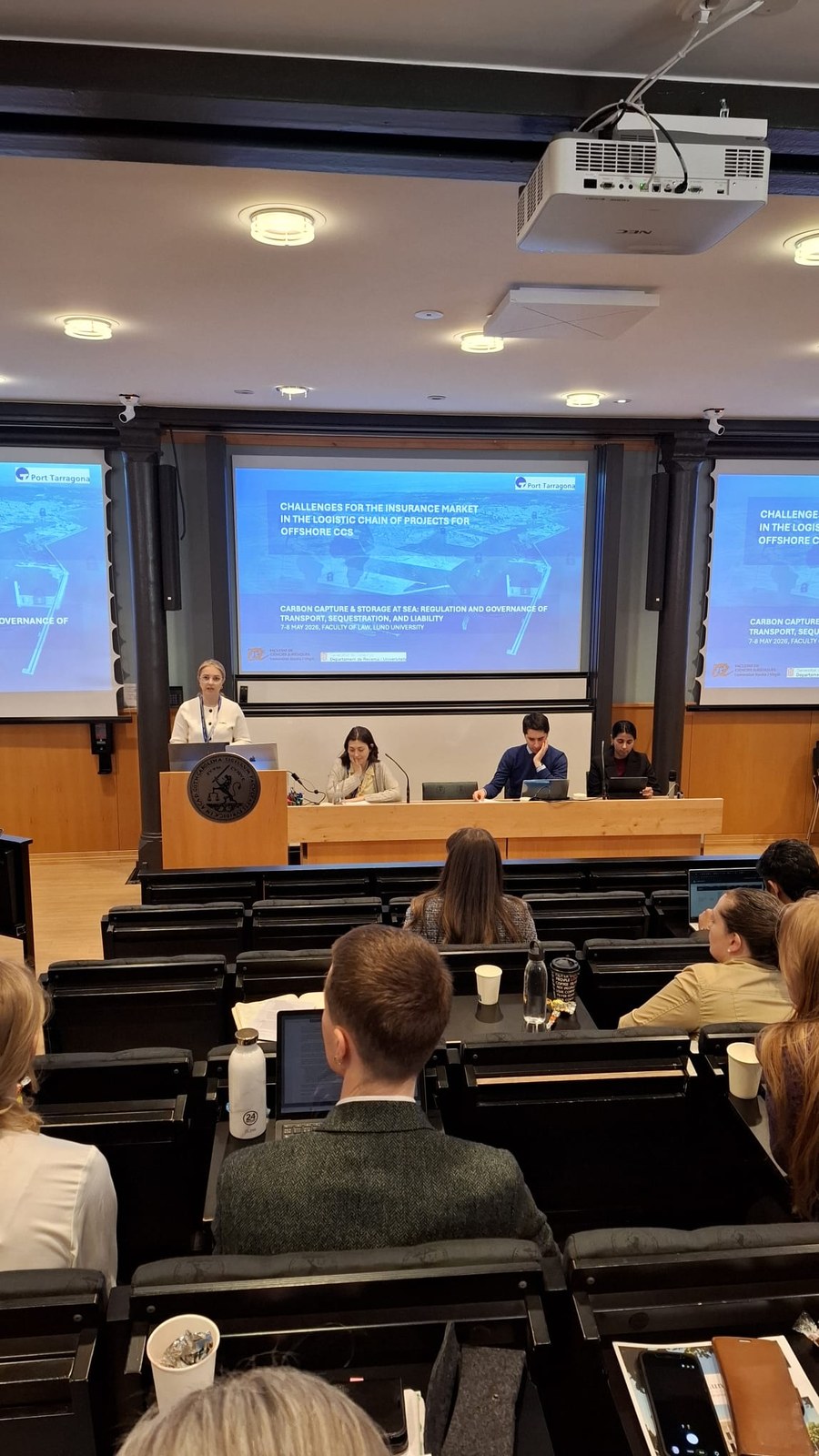
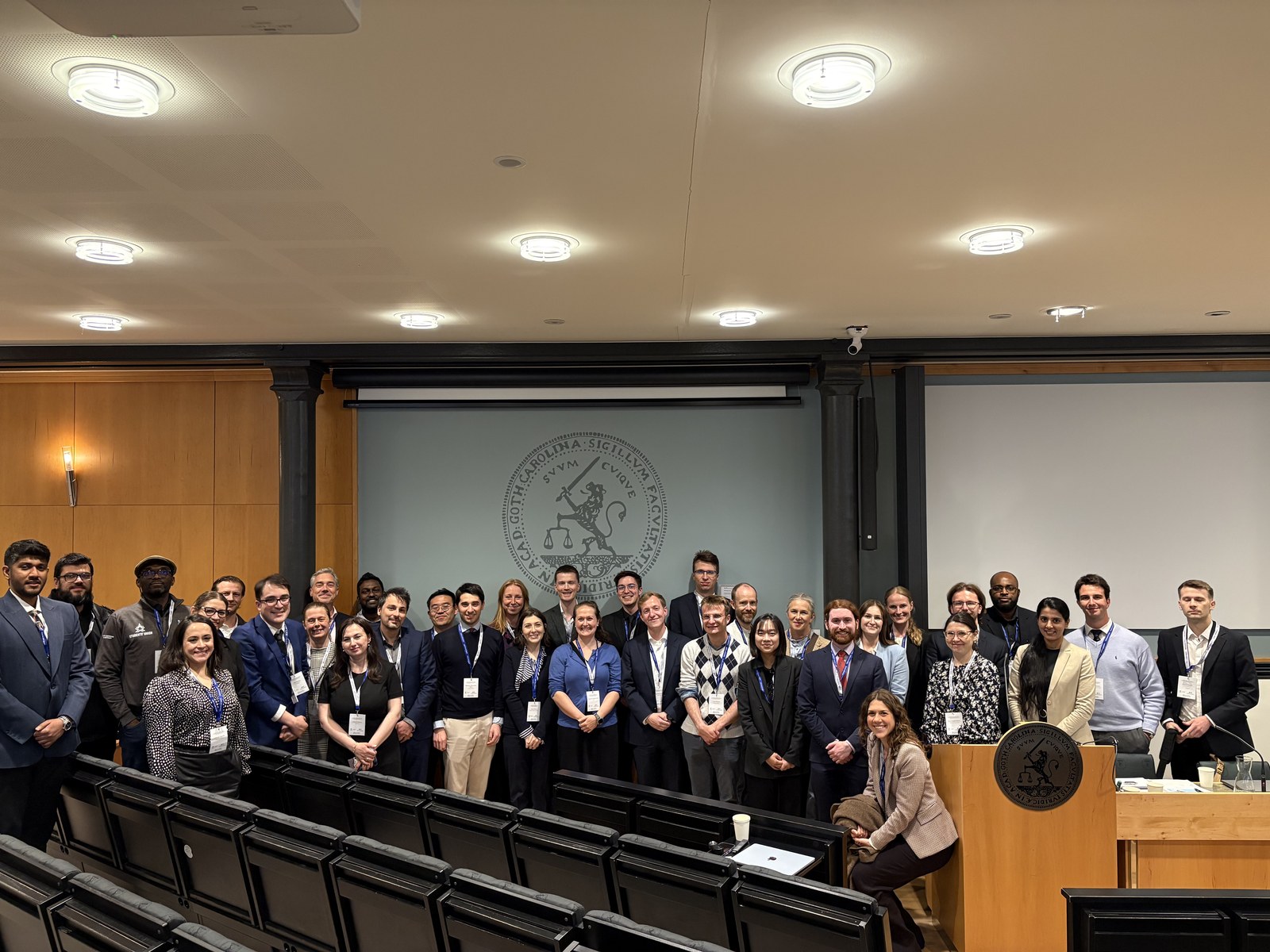
Against this backdrop, the Faculty of Law at Lund University, in collaboration with the Department of Law at the School of Business, Economics and Law, University of Gothenburg, convened this international conference dedicated to the legal, governance, and liability aspects of carbon capture and storage at sea.
Regulatory frameworks for carbon storage within and beyond national jurisdiction, the Common Heritage of Mankind, and adaptive governance for intergenerational risk.
Legal and environmental challenges of transporting liquefied CO₂ across maritime boundaries, IMO governance, and the BBNJ Agreement's implications for CCS shipping.
Technical standardisation, permitting procedures, and regulatory strategies for CCS under international, EU, and national legal instruments.
Operator and State liability for leakage and environmental harm, insurance market challenges, and financial security throughout the CCS lifecycle.
Emerging regulatory strategies, domestic permitting challenges, port adaptability, and the precautionary principle in regional CCS deployment.